Government of B.C. Government of B.C. Government of B.C. Government of B.C. BC Gov News
  • Skip to main content
  • Skip to footer
Live Webcast
  • News  
  • News  
  • By Ministry
    • Office of the Premier
    • Agriculture and Food
    • Attorney General
    • Children and Family Development
    • Citizens' Services
    • Education and Child Care
    • Emergency Management and Climate Readiness
    • Energy and Climate Solutions
    • Environment and Parks
    • Finance
    • Forests
    • Health
    • Housing and Municipal Affairs
    • Indigenous Relations and Reconciliation
    • Infrastructure
    • Intergovernmental Relations Secretariat
    • Jobs and Economic Growth
    • Labour
    • Mining and Critical Minerals
    • Post-Secondary Education and Future Skills
    • Public Safety and Solicitor General
    • Social Development and Poverty Reduction
    • Tourism, Arts, Culture and Sport
    • Transportation and Transit
    • Water, Land and Resource Stewardship
  • Subscribe
Live Webcast
By Ministry
  • Office of the Premier
  • Agriculture and Food
  • Attorney General
  • Children and Family Development
  • Citizens' Services
  • Education and Child Care
  • Emergency Management and Climate Readiness
  • Energy and Climate Solutions
  • Environment and Parks
  • Finance
  • Forests
  • Health
  • Housing and Municipal Affairs
  • Indigenous Relations and Reconciliation
  • Infrastructure
  • Intergovernmental Relations Secretariat
  • Jobs and Economic Growth
  • Labour
  • Mining and Critical Minerals
  • Post-Secondary Education and Future Skills
  • Public Safety and Solicitor General
  • Social Development and Poverty Reduction
  • Tourism, Arts, Culture and Sport
  • Transportation and Transit
  • Water, Land and Resource Stewardship

Water, Land and Resource Stewardship

How British Columbians can shape the future of our public lands

Share

More from this Ministry
Honourable Randene Neill

Honourable Randene Neill

Honourable Randene Neill

Read Bio

Contact

Email: WLRS.Minister@gov.bc.ca

close menu Water, Land and Resource Stewardship

Gwa’ni Land Use Planning Project moving forward

January 18, 2026 1:00 PM
North Island project supports environmental sustainability, reconciliation, economic growth
  Read More

B.C. seeking public input on proposed hunting regulation updates

January 12, 2026 10:45 AM
ALL NEWS FROM THIS MINISTRY
More from this Ministry
  • Factsheets & Opinion Editorials
  • Search News
  • Minister's Bio
  • Skip to main content
  • Skip to footer
Print

Water, Land and Resource Stewardship

British Columbia News

How British Columbians can shape the future of our public lands

https://news.gov.bc.ca/33288

Share

Opinion-Editorial

Wednesday, January 28, 2026 9:00 AM

Share

Opinion-Editorial

Wednesday, January 28, 2026 9:00 AM

More from this Ministry

  • Factsheets
  • Ministry Website
  • Ministry Photos
  • Ministry Videos

Featured Topics

  • B.C. Drought Information Portal
  • B.C. and Blueberry River First Nations
  • Reconciliation
  • Fisheries and Aquaculture
  • Great Bear Rainforest

Featured Services

  • Housing-related permits

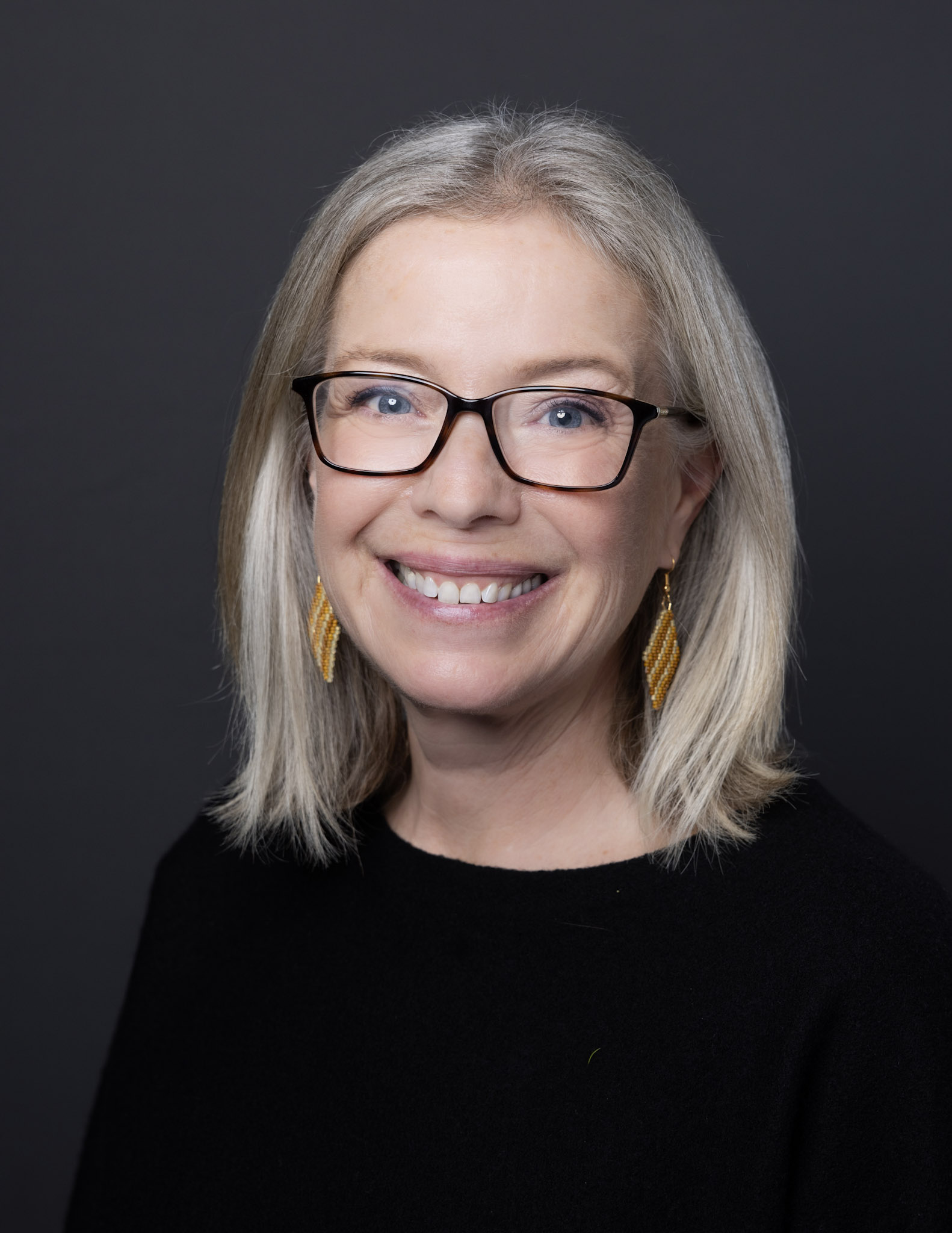
By Randene Neill
Minister of Water, Land and Resource Stewardship
(630 words)

British Columbia is defined by its land and water. Forests, rivers, alpine meadows and rugged coastlines aren’t just scenery. They’re the backbone of our economy, our culture and our shared identity. And unlike many places in Canada, these landscapes are overwhelmingly public, with nearly 94% of B.C. made up of Crown, or public, land.

People use public land for hiking, skiing, hunting, fishing, camping or simply connecting with nature. Industries such as tourism, mining, energy, forestry and agriculture use public land to sustain jobs and communities, driving economic development in every corner of the province.

Thoughtful planning for how we manage this resource is critical. In B.C., land-use plans identify how public land is used, outlining what can happen where and by whom. And although more than 90% of public land is covered by existing land-use plans, these plans were completed in the 1990s to early 2000s. Some are outdated, don’t meet the needs of everyone, and don’t reflect the modern realities of climate change, biodiversity loss and the need for sustainable natural-resource management.

Updating land-use plans ensures public land remains both protected and productive. We’re working at the local level to understand what matters to people and how they think public land should be managed in their communities. Together with First Nations, we’re talking extensively with local governments, industry, external partners, communities and people who live, work and recreate in the planning areas.

This week we celebrated a milestone for one of our first updated land-use planning projects. In partnership with the ’Na̱mg̱is First Nation, the Gwa’ni land-use planning project covers more than 166,000 hectares of public land in Vancouver Island’s Nimpkish Valley. We expect this project will result in an increase in actual harvest levels, predictability for industry and forestry families, and protection of important community values, including the watershed. New legal orders announced this month detail how people, communities and industry will manage the environment, important cultural sites and uses, as well as tourism, recreation and forestry.

Since 2021, the project has had multiple phases of development work and extensive engagement activities with communities: First Nations, interest holders, industry, local government and the public; everything from letters and e-mails to information sessions, interest group discussions, surveys, public comment forms, open houses and phone calls. It is specifically because of what we heard during the planning process that we understand what matters to people in the area, and we are making changes that reflect this feedback. This is an example of everyone coming together to protect the environment and create jobs and stability for their community.

Likewise, with the land-use planning projects underway in northwestern and northcentral B.C., we are ensuring everyone has a seat at the table and a voice in the process. Since the projects launched last June, we’ve held public surveys, virtual information seminars and preliminary sector-engagement sessions, centred on the question of “How do you want to be involved?” I’m proud of our engagement efforts, but let’s be clear: This is only Phase 1. No matter who you are, there will be multiple opportunities to get involved and additional engagement will take place throughout the planning process.

Public land belongs to all of us, and that is why it must be protected. We need land-use decisions grounded in transparency, science, partnership with Indigenous people and meaningful public engagement. If there is a land-use planning project underway in your area, we want to hear from you. It’s important everyone has their say. So, when the time comes to engage and share feedback, please do so. And for my part, I will continue amplifying those opportunities, because B.C.’s public land is not just a resource. If we care for it wisely, it’s also our greatest legacy.

For more information about land-use planning in B.C., visit: https://planninginpartnership.ca

https://news.gov.bc.ca/33288

Related Articles

Gwa’ni Land Use Planning Project moving forward

January 18, 2026 1:00 PM

B.C. seeking public input on proposed hunting regulation updates

January 12, 2026 10:45 AM

New chronic wasting disease case confirmed near Jaffray

January 9, 2026 4:30 PM
BC Gov News

Connect with the Ministry

Photos

View the Ministry's latest photos on Flickr.

Videos

Watch the Ministry's latest videos on YouTube.

The B.C. Public Service acknowledges the territories of First Nations around B.C. and is grateful to carry out our work on these lands. We acknowledge the rights, interests, priorities, and concerns of all Indigenous Peoples - First Nations, Métis, and Inuit - respecting and acknowledging their distinct cultures, histories, rights, laws, and governments.

Government of B.C. Government of B.C.

We can help in over 220 languages and through other accessible options.   Call, email or text us, or find a service centre.

Connect with Us

  • Subscribe
  • Social and RSS

More Info

  • BC Gov
  • Disclaimer
  • Privacy
  • Accessibility
  • Copyright
  • Contact Us

© 2025 Government of British Columbia