 Energy and Climate Solutions
Summary
- The Community Energy Diesel Reduction Program is providing approximately $6.6 million to 13 remote First Nations to support them in building clean-energy projects in their communities
- The projects vary in scope and size and include energy-efficiency and energy-generation projects
- The clean-energy projects will support the First Nations in reducing their reliance on diesel for power and heating needs
__________
Thirteen remote First Nations are taking steps toward building energy independence in their communities by investing in sustainable and clean-energy systems that will help people save on energy costs, reduce emissions and protect the environment.
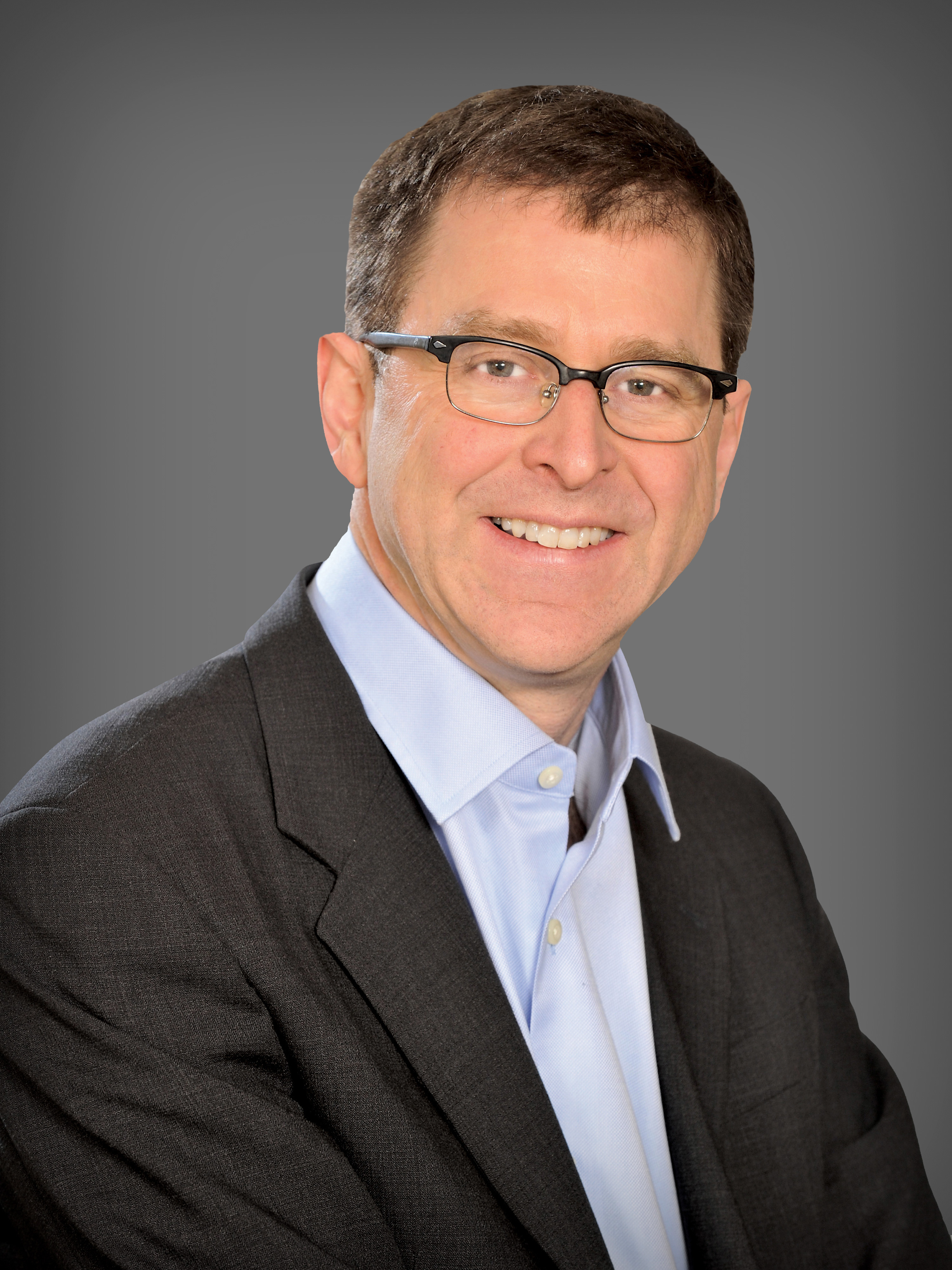
“In these uncertain times, it’s more important than ever to diversify our energy sources and transition toward a low-carbon economy,” said Adrian Dix, Minister of Energy and Climate Solutions. “First Nations are leading this change by advancing clean-energy projects in remote communities that will reduce their dependence on diesel fuel and help them attain energy sovereignty.”
The Community Energy Diesel Reduction (CEDR) Program is providing approximately $6.6 million to 13 off-grid, remote First Nations to support them in building clean-energy projects, including community energy plans, energy-efficiency upgrades and energy-generation projects, helping to reduce their reliance on diesel fuel for their power and heating needs.
Diverse projects
The clean-energy projects vary in size and scope, and range from energy-generation projects, such as roof-top solar systems, to energy-efficiency upgrades in residential homes.
For example, the Xeni Gwet’in First Nations Government is receiving approximately $870,000 for completing the engineering feasibility and design of a solar-photovoltaic-coupled pumped storage system in their community. The system will complement a proposed mini-hydro project in Augers Lake that is expected to fulfil the community’s long-term energy needs and fully eliminate their reliance on diesel-generated electricity.
Funding highlights
Other project highlights include:
- Skidegate Band Council is receiving $300,000 for installing a 96-kilowatt grid-tied rooftop solar system.
- Tsay Keh Dene Nation is receiving $1.5 million for the design of a 3.5-megawatt solar photovoltaic project.
- Ulkatcho Energy Corporation is receiving $1.1 million for the testing and commissioning for a 3.8-megawatt solar plant project and solar control centre in Ulkatcho First Nation.
- Ka:’yu:’k’t’h’/Che:k:tles7et’h’ First Nations are receiving $40,000 for a feasibility study of renewable-energy generation technologies in the Kyuquot community.
- Gwawaenuk Tribe is receiving $88,635 for a new community energy plan.
- Hesquiaht First Nation is receiving $90,000 for a new community energy plan for the community of Refuge Cove.
- Takla Lake First Nation is receiving $90,000 for a new community energy plan for the community of Takla Landing.
- Skidegate Band Council is receiving $500,000 for installing energy-efficiency upgrades in 74 homes.
- Ulkatcho First Nation is receiving $500,000 for installing building envelope upgrades in 30 homes.
- Heiltsuk First Nation is receiving $500,000 for installing energy-efficient improvements in their community hall.
The CEDR program, administered by the New Relationship Trust, is part of the Province’s CleanBC Remote Community Energy Strategy. The program is primarily funded by the Province, with BC Hydro funding some energy-efficiency projects.
Quotes:
George Colgate, project manager, Xeni Gwet’in First Nations Government –
“The Xeni Gwet’in First Nations Government is grateful to the New Relationship Trust’s Community Energy Diesel Reduction Program for providing funding to advance the engineering feasibility and design of an innovative photovoltaic solar pumped storage system. This investment supports the First Nation’s vision for energy sovereignty, environmental stewardship and a sustainable future for the Xeni Gwet’in people.”
Laanas-Tamara Davidson, MLA, North Coast-Haida Gwaii
“I’m grateful for the work we’re doing together with First Nations and investing in clean-energy initiatives that will help remote, off-grid communities transition to cleaner, more reliable sources of power. These initiatives reduce diesel use, lower emissions and improve the well-being of the communities.”
Walter Schneider, CEO, New Relationship Trust –
“Enrolment in the CEDR program is at an all-time high as B.C.’s diesel-dependent communities look to develop cleaner, affordable and resilient energy systems. The 13 projects awarded to this latest cohort will reduce the amount of diesel consumed in the province and raise the quality of life for some of B.C.’s most remote communities.”
Charlotte Mitha, president and CEO, BC Hydro –
“We are encouraged to see many First Nations in our non-integrated areas receive CEDR funding to advance energy efficiency and clean-energy generation projects, and we are collaborating with them as we update our microgrids to integrate more renewable power and reduce diesel use. By working together, we can create meaningful change, supported in part by the New Relationship Trust and the CEDR program.”
Quick Facts:
- British Columbia has 44 remote communities not connected to the provincial electricity grid.
- Most of these communities are governed by First Nations and depend on diesel generators for electricity generation to support their power and heating needs.
- Since its inception in 2022, including the 2026 intake, the CEDR program has provided approximately $30 million to 26 remote communities for 56 clean-energy projects.
- Additional energy-efficiency projects are being evaluated for the 2026 intake, and the recipients will be selected in the next few weeks.
Learn More:
- To learn more about CEDR program, visit: https://newrelationshiptrust.ca/community-energy-diesel-reduction-cedr/
- To learn more about CleanBC Remote Community Energy Strategy, visit: https://www2.gov.bc.ca/gov/content/industry/electricity-alternative-energy/community-energy-solutions/remote-community-energy-strategy-rces